Watchmaking

The watchmaking industry stands for the highest precision, quality, and craftsmanship. At the same time, demands regarding productivity, reproducibility, and flexibility are increasing.

Modern automation solutions make it possible to optimize precision manufacturing processes, minimize scrap, and consistently ensure the highest quality even with the most complex components and in high-volume production.

Watchmaking

Complex precision, increasing demands

The manufacturing of watch components requires the highest precision, while production volumes are steadily increasing. Manual processes frequently lead to fluctuations in quality and are prone to errors. At the same time, the shortage of skilled labor, rising costs, and an increasing variety of models make cost-efficient production difficult.

Automated sorting of watch parts

01

Extremely high precision

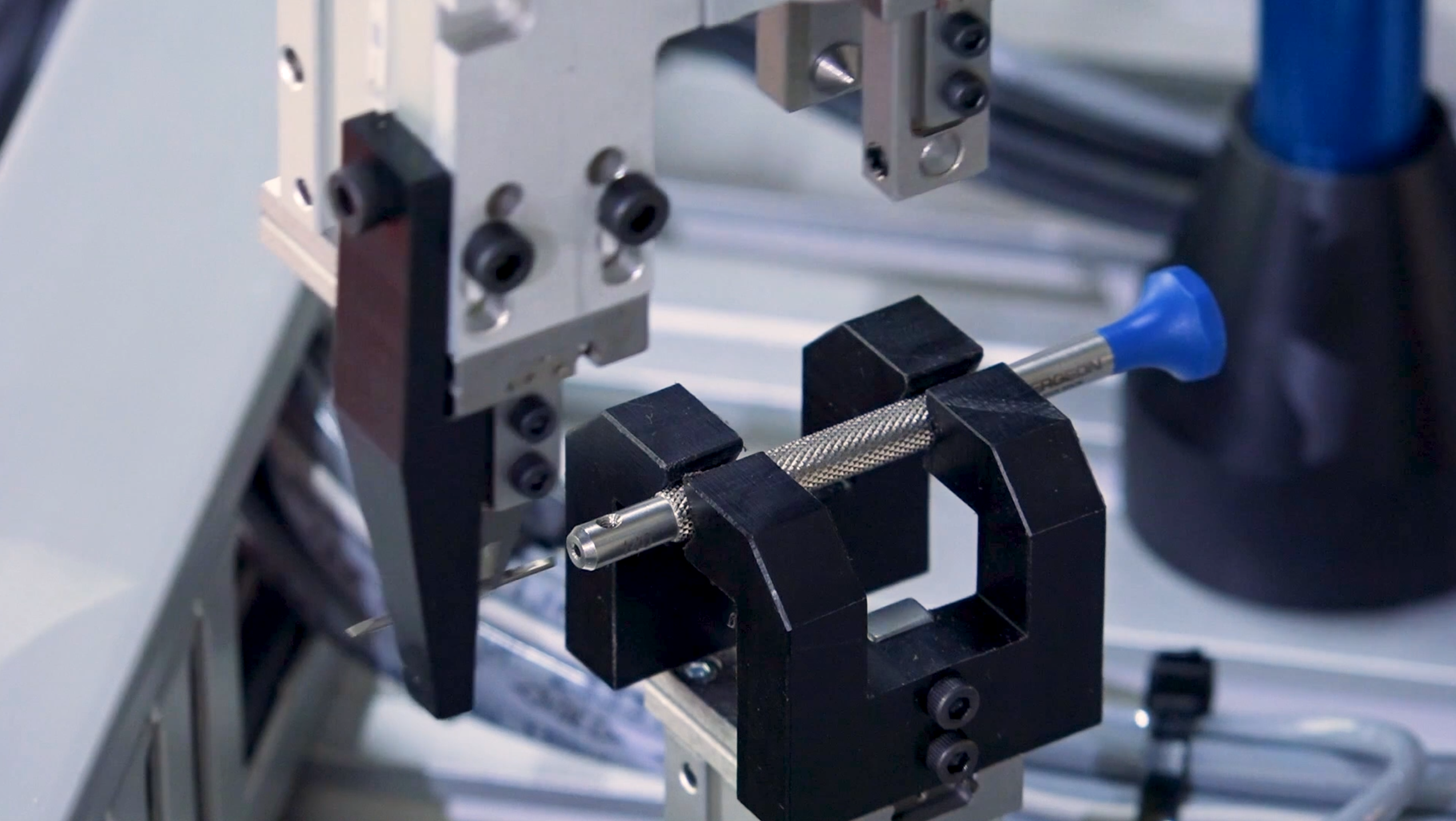
The manufacturing of watch components requires tolerances in the micrometer range. Even the smallest deviations can lead to quality issues or functional malfunctions.

02

Many manual processes 

Many production steps still heavily rely on manual labor. This leads to fluctuations in quality, higher scrap rates, and limited reproducibility.

03

Labor shortage

It is difficult to find qualified specialists for high-precision assembly processes. At the same time, demand is increasing due to growing production requirements.

04

Increasing complexity 

A wide variety of options, small batch sizes, and increasing price pressure make cost-efficient production difficult. Efficiency and scalability quickly reach their limits.

Watchmaking

Autonomous watchmaking

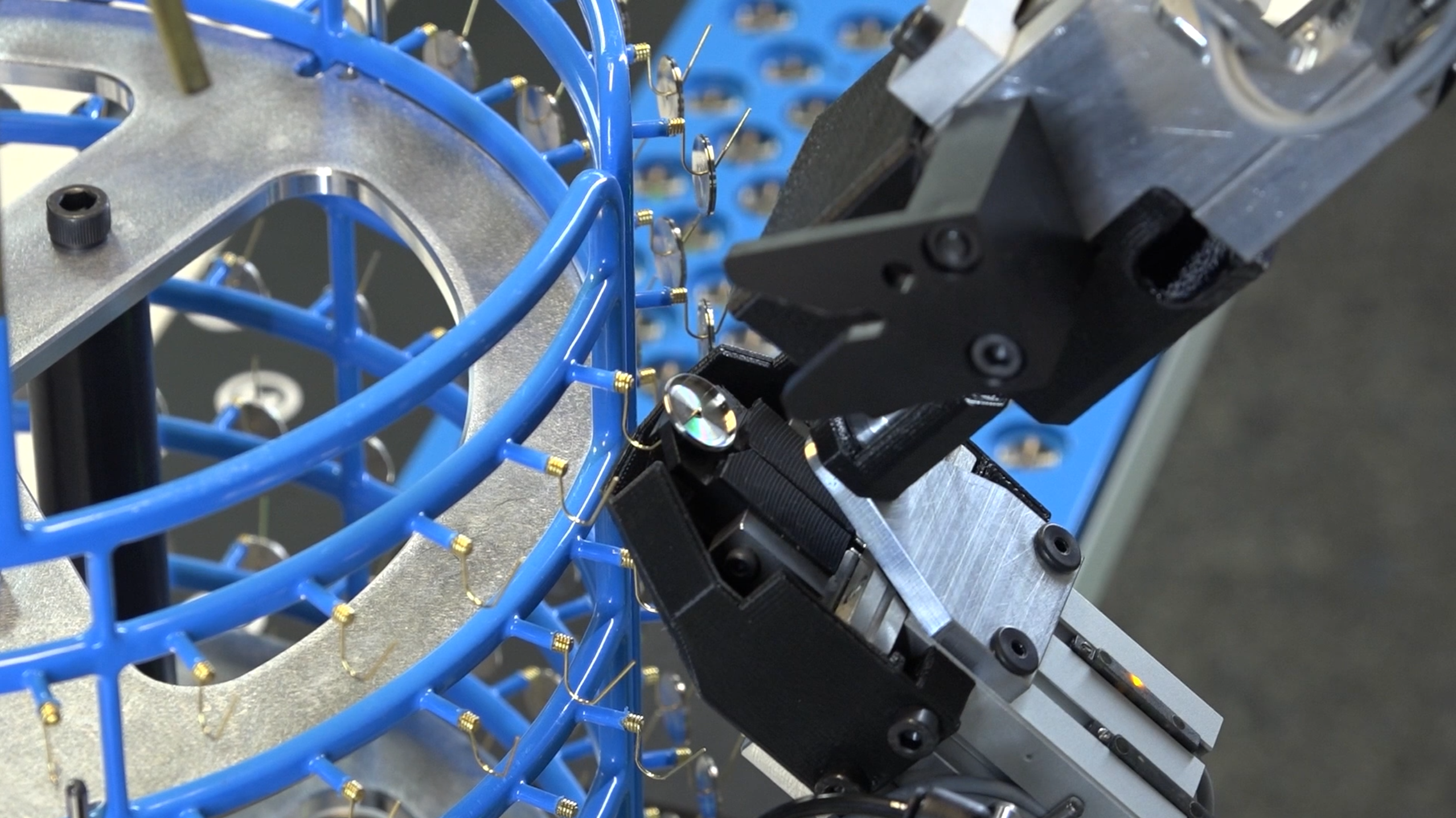
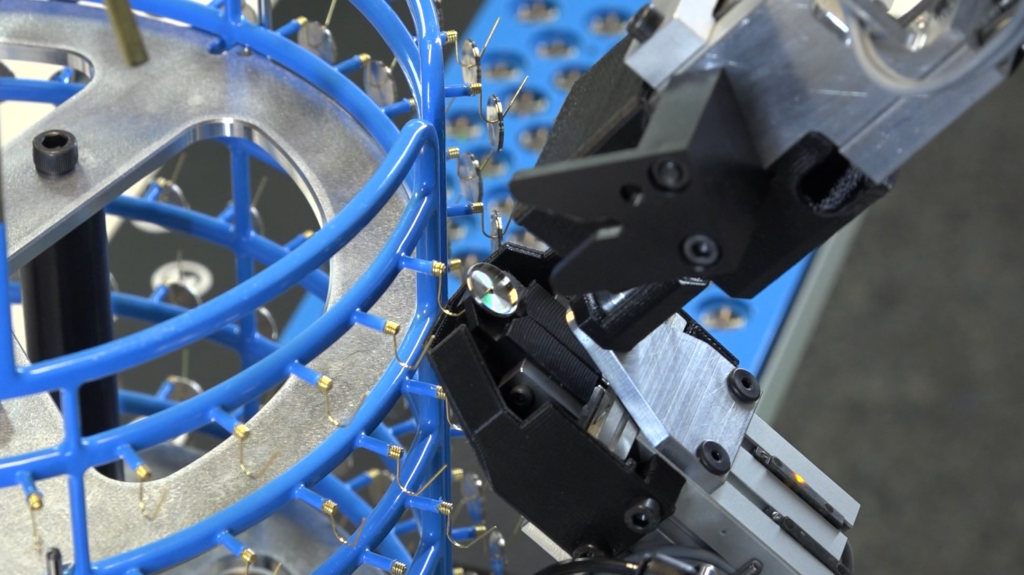
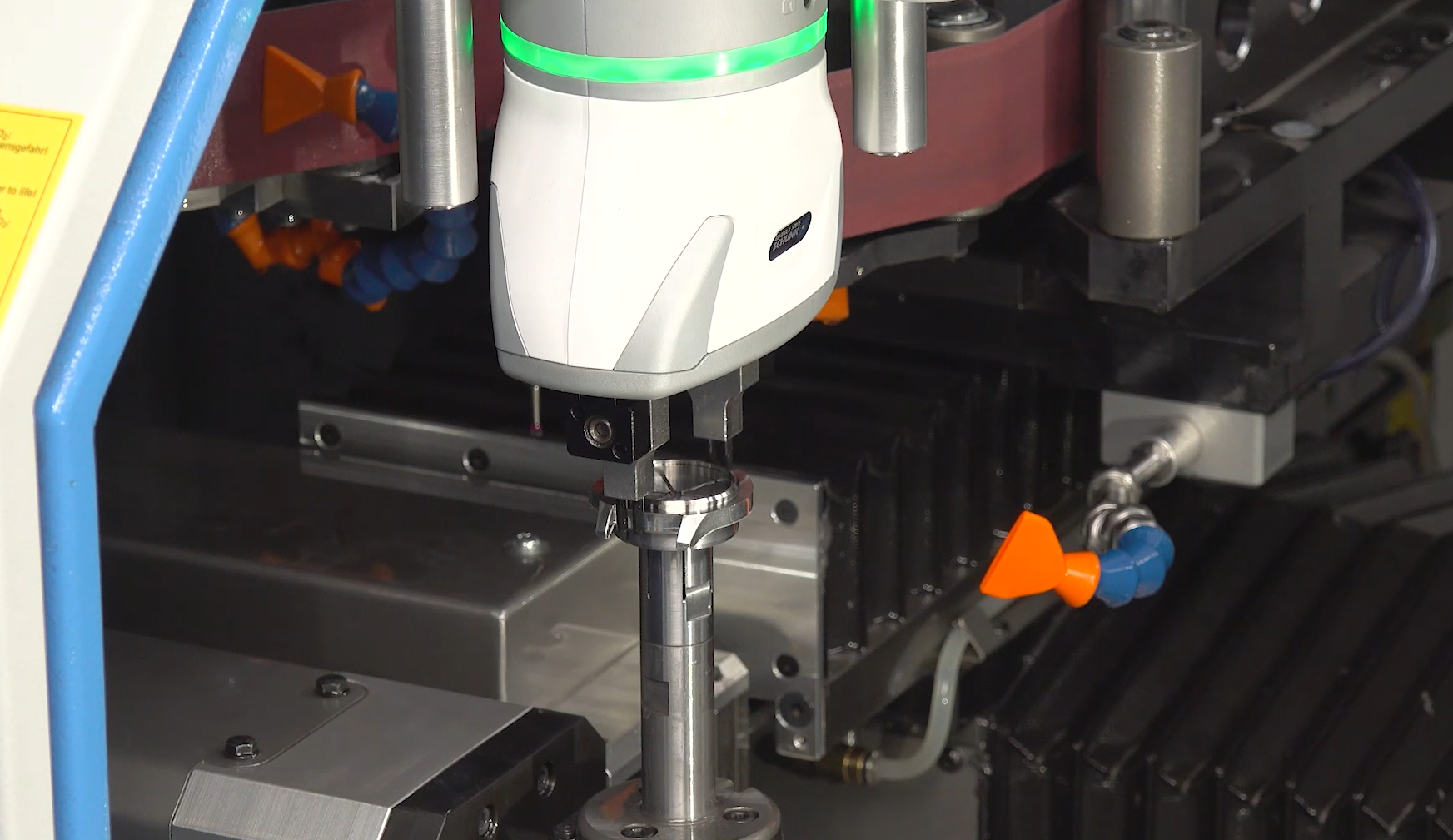
Our robotic solutions automate a wide range of steps throughout the entire watch manufacturing process. In particular, they handle the loading and unloading of machines such as stamping presses, annealing furnaces, and polishing systems.

In addition, we automate high-value-added work steps such as loading plating racks, painting, polishing, and many other specialized manufacturing processes.

This automation ensures increased productivity, consistent quality, improved traceability, and maximum flexibility to meet the demands of modern production environments.
Automation Solutions for the Watch Industry
Humanoid robots in the watchmaking industry

Typical Applications

Virtual Engineering

Through virtual engineering automation solutions can be planned, simulated, and validated even before their physical implementation in watch production. In this way, manufacturers can minimize risks and significantly accelerate commissioning.

Autonomous assembly

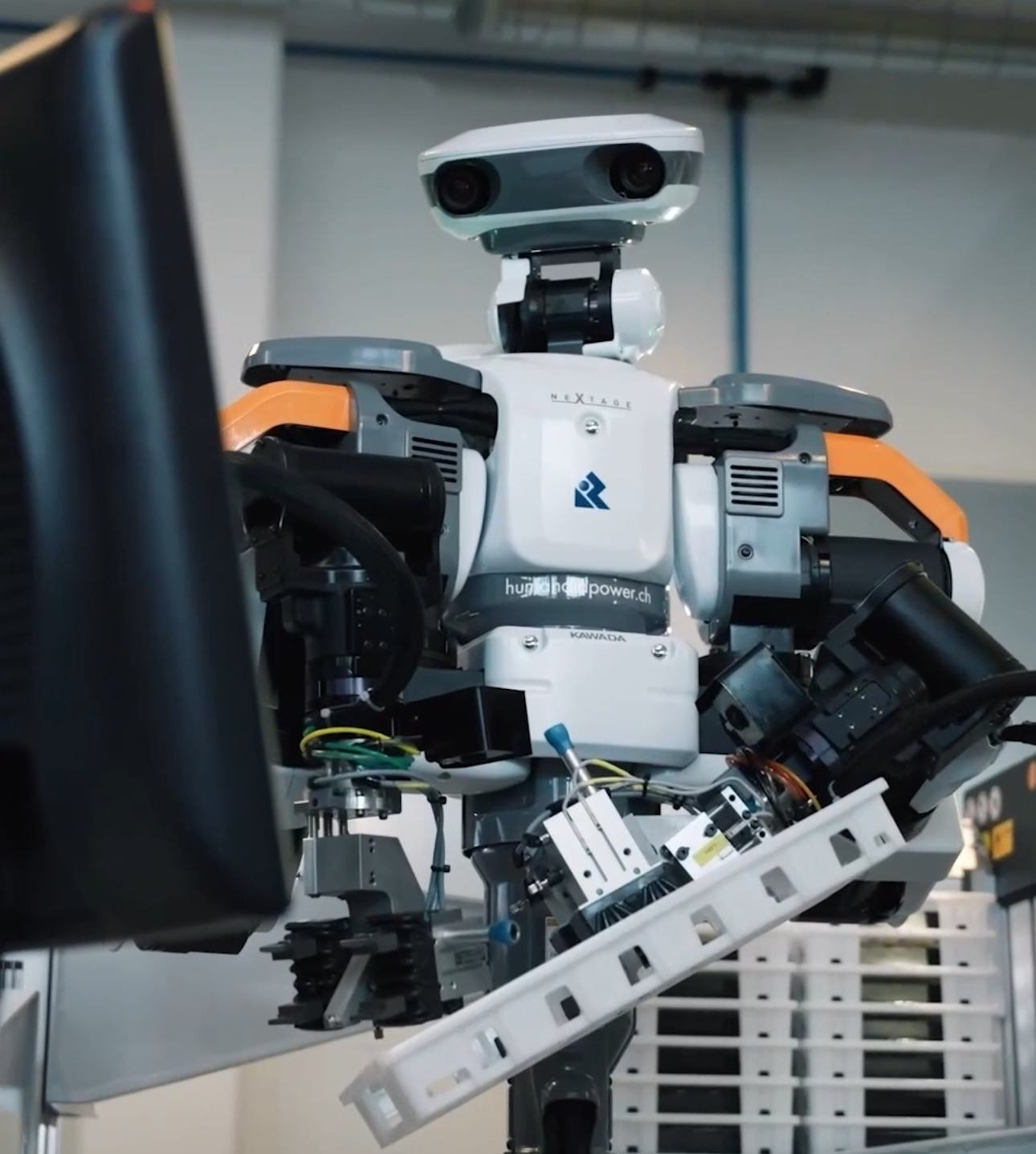
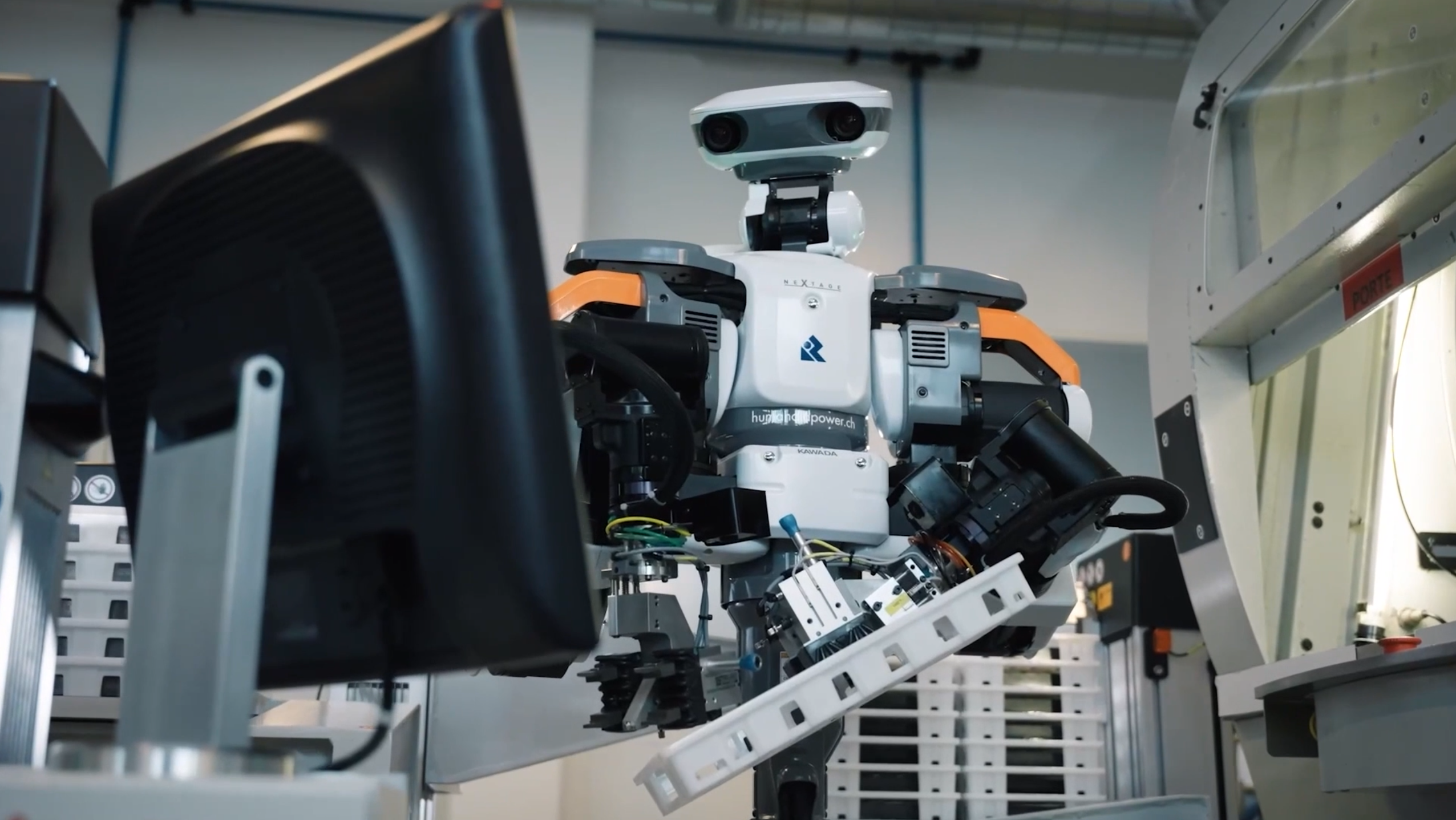
NEXTAGE handles recurring handling tasks involving very small parts with consistent precision and without showing signs of fatigue, even when product variants change. This ensures stable, reliable processes for delicate watch components.

Material handling

Small parts and standard containers are fully automatically transported with mobERT® between the production stations and delivered just-in-time. This ensures smooth processes and reliable handling of delicate watch parts throughout the entire manufacturing process.

Central Orchestration

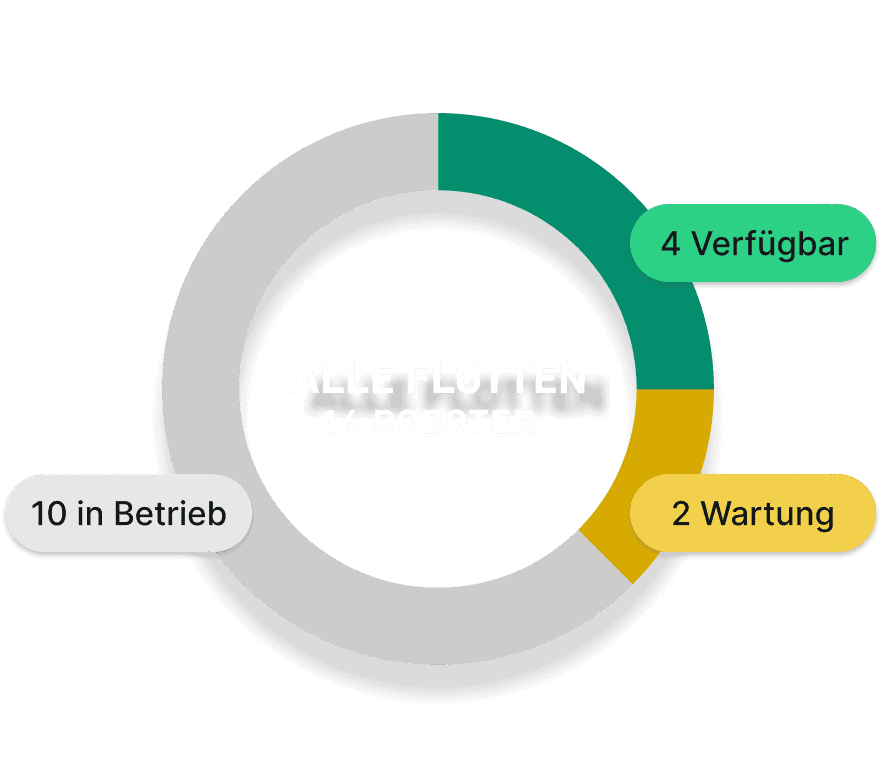
ERTmiral® manages manufacturing orders across systems – for example in MES, WMS, and planning systems – centrally and transparently. This ensures stable workflows and maximum efficiency in high-precision watchmaking environments.

Watchmaking

Typical Examples of Use

Watchmaking

Typical smart factory products in the watchmaking industry

mobERT®

for autonomous material transport,
handling and machine tending

NEXTAGE

for precise, repetitive assembly and inspection tasks

ERTmiral®

for efficient, centralized fleet and order management

SmartShelf

An easy introduction to the
Smart Factory

Watchmaking

Key Benefits

01

Maximum productivity

Automation enables continuous 24/7 operation and increases the utilization of your production facilities. This allows you to increase your output without having to hire additional staff.

02

Consistently high quality

Standardized, autonomous manufacturing processes reduce errors and ensure reproducible results. Especially in the field of micro-precision, this ensures the highest product quality in the long term.

04

Efficient Use of Personnel

Employees are relieved of monotonous and stressful tasks. As a result, they gain time for value-adding activities, which actively helps to address the shortage of skilled workers.

03

Flexible, scalable production

Automated systems adapt flexibly to different batch sizes and variants. This allows you to respond more quickly to market demands and ensure your long-term competitiveness.