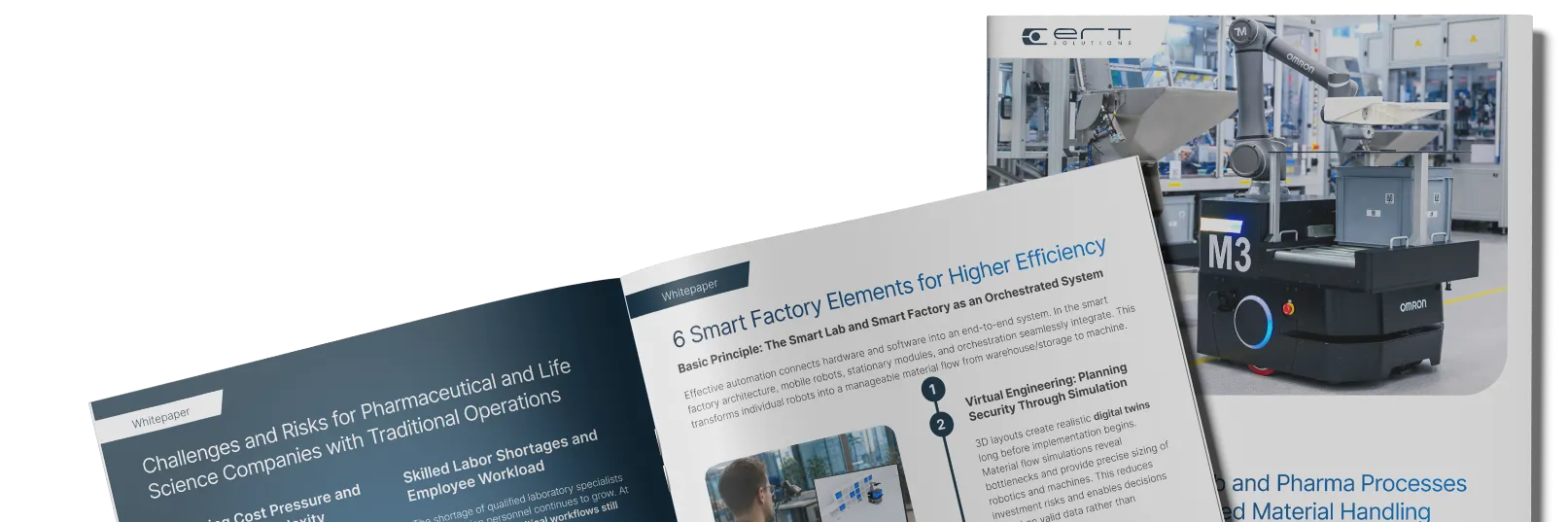
Free White Paper
More efficiency through automated laboratory and pharmaceutical processes
For laboratory managers, production managers and automation teams that want to reduce manual processes, relieve staff workload and increase process reliability. This free whitepaper shows how mobile manipulators, automated material flows and smart lab solutions can help achieve these goals.
✓ Less manual sampling and material handling
✓ Lower contamination risk due to fewer manual interventions
✓ More efficiency and transparency in the laboratory and production
WHY THIS WHITE PAPER?
Modern laboratory technology. Manual processes in between.
In many laboratories and pharmaceutical production environments, samples, consumables, and production materials are still transported manually between individual stations. This ties up qualified personnel, causes delays, and increases the risk of errors and contamination.
Find out where valuable capacities are being lost and how automated material handling can help to overcome these problems.
Manual sample handling
Where transporting samples, laboratory bottles and microtiter plates is unnecessary time-consuming and creates additional sources of error.
Tied up workers
Why qualified employees still perform repetitive transport and handling tasks and how automation can specifically relieve them of these tasks.
Low utilization of laboratory and production equipment
How insufficient material supply leads to analysis instruments, centrifuges and production equipment not being optimally utilized.
Contamination and documentation risks
Why additional manual interventions can increase the risk of contamination and make full traceability difficult.
What you can expect in the white paper
From manual bottlenecks in the laboratory to fully connected Smart Labs or Smart Factories, you will receive concrete insights into the key levers for more efficient, automated pharmaceutical and laboratory processes.
Identifying efficiency potentials
Automating sample and material flows
Automated supply of laboratory equipment
Intelligently connecting technologies
What role do mobile robotics, transfer stations, central control, and existing IT systems play in a seamless Smart Lab or Smart Factory?.
Reduce contamination risks and errors
Improving transparency and traceability
Reference · B. Braun
When more than 50 machines and processes work together autonomously.
At B. Braun’s ACTIVE manufacturing facility in Melsungen, single-use medical devices are produced fully automatically. An automated warehouse, driverless transport systems, and mobile manipulators ensure an efficient supply of materials. Thanks to digital orchestration, more than 50 machines and processes are autonomously interconnected.
Smart Factory does not mean building everything
from scratch.
- Continue to use existing structures
- Expand and scale modularly
- Integrate safety directly
SMART FACTORY SOLUTIONS
The right systems for the right processes
Virtual Engineering
How can automated material flows in the laboratory and in production already be simulated before implementation?
How many robots and delivery stations are actually needed?
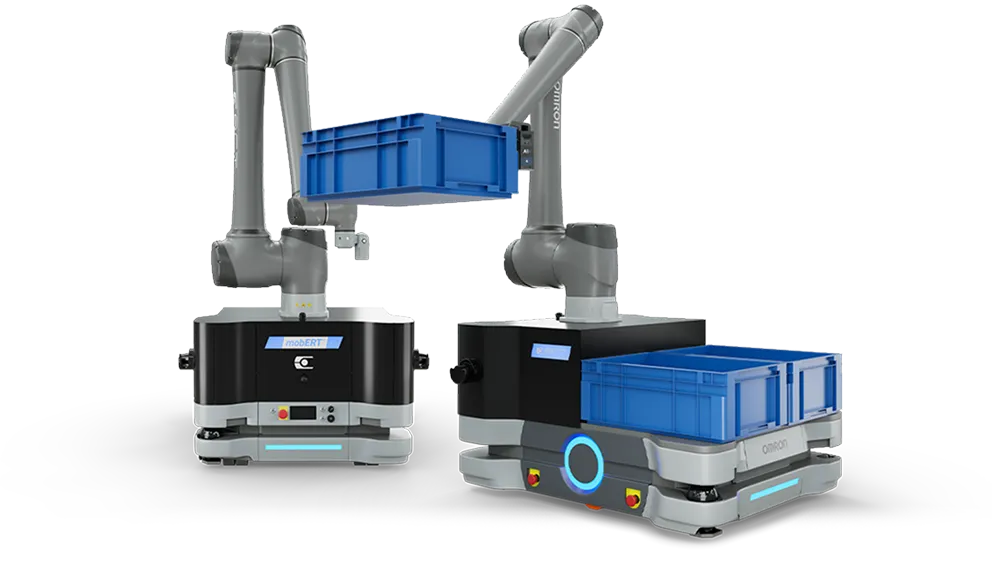
mobERT®
Are samples, laboratory consumables and production materials still transported manually between individual stations?
Could autonomous transportation and automated loading and unloading processes relieve your employees of their workload?
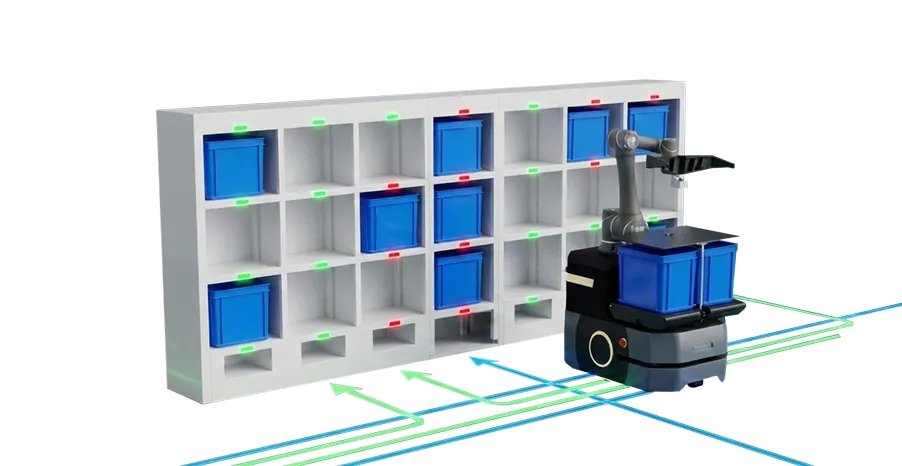
SmartShelf
Is there a reliable material transfer between employees, mobile robots, and laboratory stations?
Are intelligent buffers needed to ensure the material supply between individual process steps?
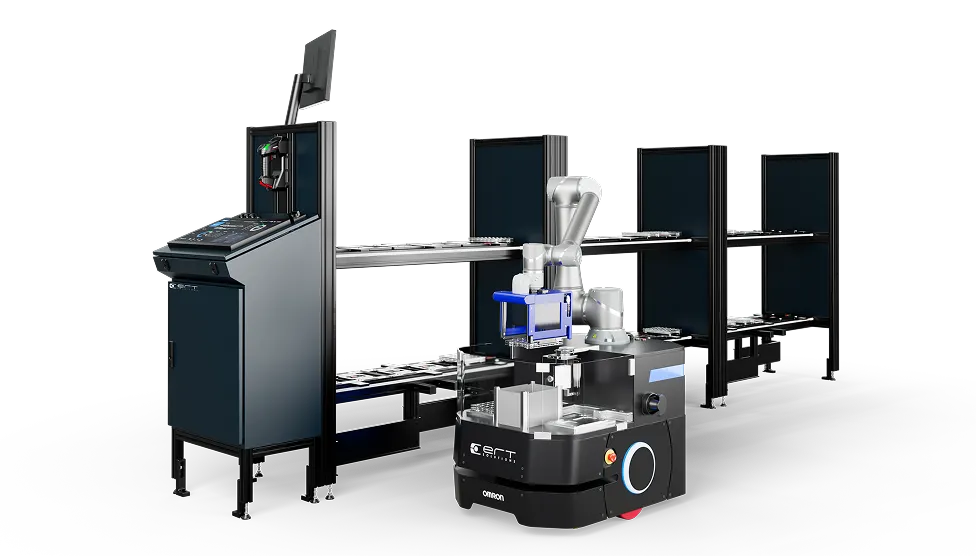
ERTmiral®
Do laboratory equipment, mobile robots and material storage systems still operate as separate systems from each other?
Is there no central control that prioritizes transport orders and makes material flows transparent?
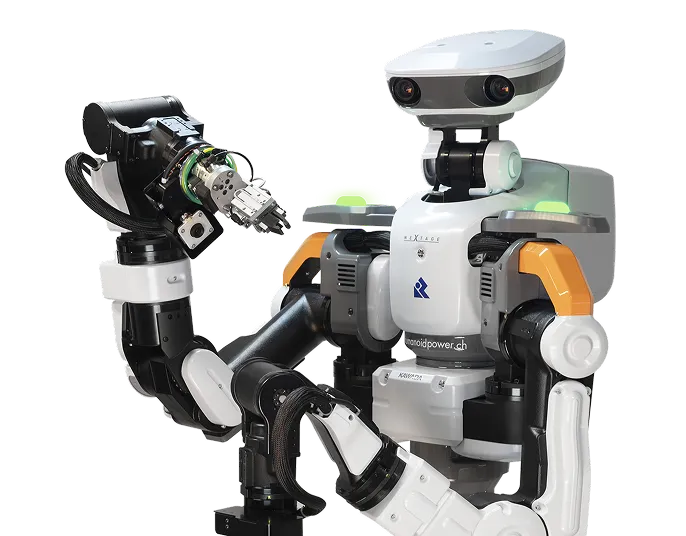
NEXTAGE
Do recurring testing, inspection, and handling tasks tie up valuable skilled workers?
What specific, repetitive tasks could be automated by a two-armed robot that is available in both stationary and mobile configurations?
More efficiency for laboratories and pharmaceuticals
Learn how automated material handling optimizes your processes, frees up employees, and increases process reliability.